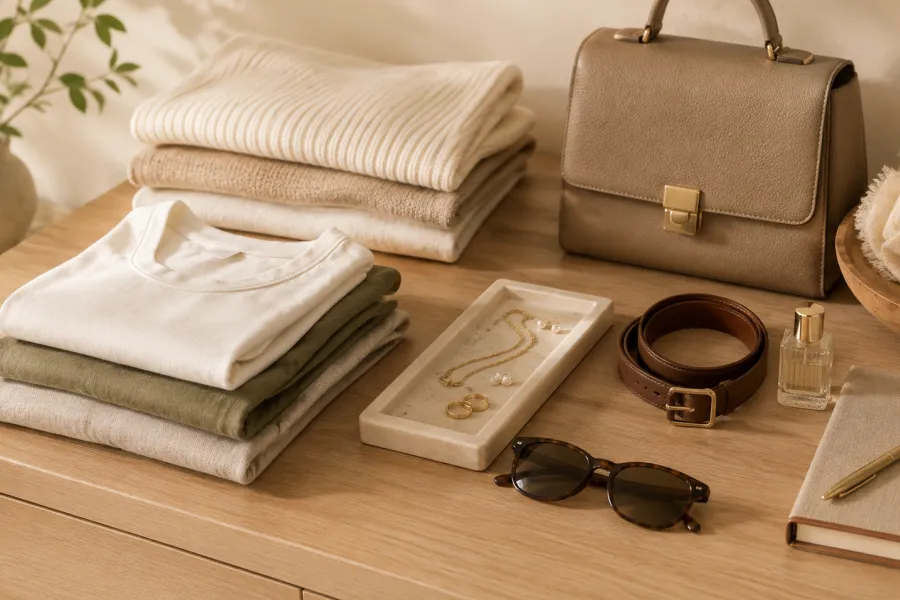
Capsule closet organization is not only about having fewer clothes. It is about making your wardrobe easier to manage, easier to see, and easier to use. A capsule approach helps you reduce visual noise by keeping the most useful pieces accessible. It also helps you stop treating the closet like a storage unit for every item you have ever bought. When the closet holds too many possibilities, daily dressing becomes slower. When the closet is organized around real life, the routine becomes lighter. Capsule Closet Toolkit for Everyday Style gives you a practical framework for editing, arranging, and maintaining clothing in a way that supports daily order. The focus is usefulness, not perfection.
Capsule systems work because they reduce decision overload. A crowded wardrobe asks you to evaluate too many options every morning. Some items fit one mood, one season, or one version of your life that no longer exists. Other items are useful but hidden behind clutter. Capsule closet organization brings the active wardrobe forward. It helps you identify what you wear regularly and what belongs in storage, donation, repair, or a separate seasonal zone. This process makes your clothing easier to understand. It also makes the closet feel more like a working system. A capsule closet does not have to be tiny. It simply needs to be edited, visible, and aligned with your actual routine.
Before organizing, define what your wardrobe needs to handle. Most people need categories like work, casual, home, exercise, outerwear, shoes, and special occasions. Some people also need uniforms, school run outfits, travel pieces, or climate-specific clothing. List your real categories instead of copying someone else’s wardrobe structure. This step matters because capsule closet organization should support your life, not a fantasy version of it. Once categories are clear, sorting becomes easier. You can see which items serve daily routines and which items create extra clutter. A category-based approach also prevents over-editing. You do not need to remove everything interesting. You need each category to feel manageable, useful, and easy to maintain.
Decluttering is the foundation of a capsule closet, but it should feel practical rather than extreme. Start by removing items that are damaged beyond repair, uncomfortable, wrong for your current size, or no longer useful. Then look for duplicates. You may not need six similar black tops, four almost identical jeans, or shoes that only work in theory. Capsule closet organization helps you keep the strongest version of each category. It also helps you identify gaps. Sometimes the problem is not too many clothes overall. It is too many unused clothes and not enough reliable basics. Capsule Closet Toolkit for Everyday Style helps guide these decisions with a cleaner, more organized wardrobe goal.
The most useful pieces should be the easiest to reach. Place everyday clothing at eye level or in the most accessible section of the closet. Store occasional pieces farther away. Keep current-season clothing separate from off-season clothing. Put workwear together if that helps mornings move faster. Keep home clothes contained so they do not spill into every drawer. Use the front of the closet for pieces you wear often. Use higher shelves for extras, storage bags, or special occasion items. This approach makes capsule closet organization feel logical. The closet begins to match your movement. Instead of searching, you reach. Instead of digging, you see. The system saves energy because the layout reflects real use.
Storage zones keep a capsule closet from becoming messy again. A hanging zone works for shirts, dresses, jackets, and pieces that wrinkle easily. A folding zone works for knits, denim, loungewear, and casual basics. A shoe zone keeps pairs together. An accessory zone contains belts, scarves, bags, and small items. A seasonal zone stores clothing that does not belong in the current rotation. Capsule closet organization becomes stronger when these zones are simple and consistent. Avoid creating too many tiny categories because complicated systems are hard to maintain. The goal is quick return. After laundry, every item should have an obvious home. That one rule prevents most closet clutter from rebuilding.
Visibility is essential for a capsule wardrobe. If a piece is hidden, it often becomes forgotten. Use slim hangers for consistency. Fold items so you can see edges, colors, or categories. Use open baskets for frequently used accessories. Label closed bins clearly. Keep shoe storage neat enough that pairs are visible. Avoid deep piles that collapse when one item is removed. A capsule system depends on seeing what you own. This supports better choices and fewer unnecessary purchases. It also makes the closet feel calmer. A visible wardrobe encourages you to use what you already have. Capsule Closet Toolkit for Everyday Style helps turn that visibility into a practical everyday organization system.
Laundry days often reveal whether a closet system works. If clean clothes sit in piles for days, the return process may be too complicated. Make folding and hanging easier. Keep hangers available. Leave enough drawer space for folded items. Avoid stuffing shelves so tightly that returning clothing feels annoying. Capsule closet organization should make laundry faster, not harder. If one drawer always overflows, edit that category or add a better divider. If shoes collect on the floor, improve the shoe zone. If accessories scatter, use one tray or basket. Small adjustments protect the system. A capsule closet is successful when clean clothing can return to its place with little effort.
A capsule closet needs seasonal review. Weather changes, routines change, and clothing wears out. Set a reminder every few months to check what stayed unused. Move off-season items out of the active closet. Bring current pieces forward. Repair what needs attention. Donate what no longer fits your life. Notice whether certain categories are missing practical pieces. Seasonal maintenance keeps capsule closet organization flexible instead of rigid. It also prevents the system from becoming outdated. Capsule Closet Toolkit for Everyday Style gives you a guided way to refresh the wardrobe without starting from zero each time. The best closet systems evolve gently while staying orderly.
The purpose of capsule organization is not to impress anyone. It is to make daily life easier. A good closet helps you see what you own, use what you love, and maintain order with less effort. It reduces the stress of searching. It reduces duplicate buying. It reduces the feeling that clothing is taking over the bedroom. Start with categories. Declutter with honesty. Arrange clothing by use. Create simple zones. Keep everything visible. Review the system seasonally. These steps make capsule closet organization practical for real homes. Over time, your wardrobe becomes less like a cluttered storage space and more like a calm, functional part of your daily routine.




Leave a comment